

Home Moving Planning Guide for a Smoother Move
May 5, 2026
Same Day Removalist Sydney: What to Expect
May 9, 2026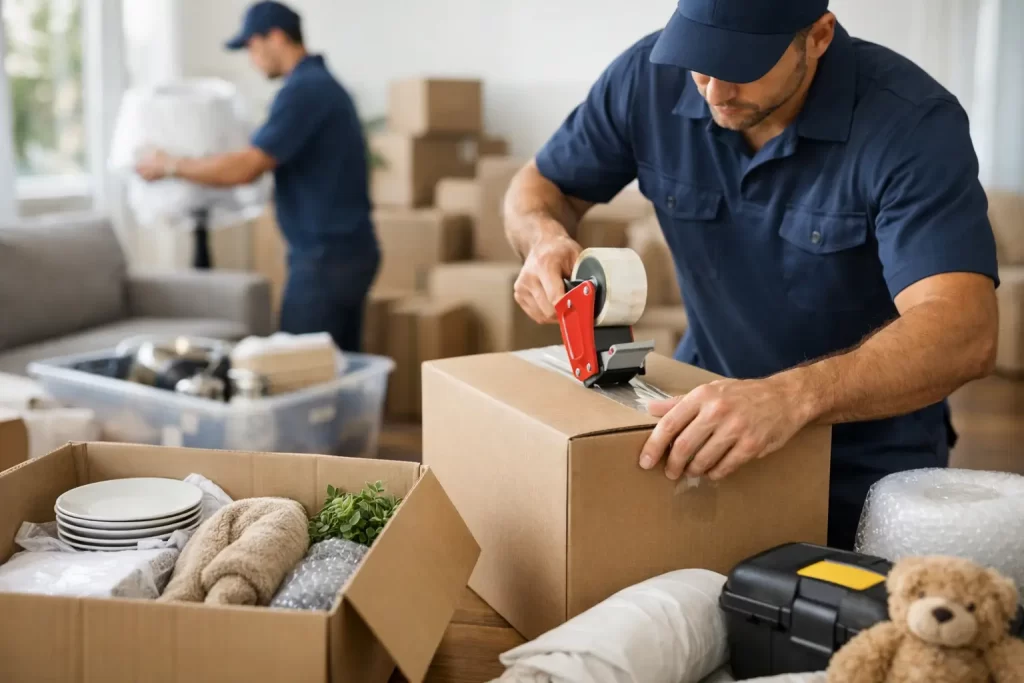
The question usually comes up the night before the move, when half the kitchen is still out, the wardrobe is untouched, and you are wondering whether the removal team will handle more than just the heavy lifting. If you are asking what do removalists pack, the short answer is this: they can pack most household and office items, but what is included depends on the service you book, the items involved, and any safety or insurance conditions.
That distinction matters. Some customers only want transport. Others want a full packing service where trained movers arrive with cartons, wrapping, tape and protective materials, then pack room by room before loading the truck. The difference affects timing, cost, liability and how much work is left for you.
What do removalists pack in a standard move?
In a standard move, removalists usually transport items that are already packed and ready to go. That means boxes you have sealed, furniture that can be wrapped or moved as is, and loose household items that have been properly prepared. If you have not booked a packing service, most crews will not spend hours boxing up cupboards and drawers on moving day unless that has been agreed in advance.
What they will often do is protect larger items for transit. Furniture pads, shrink wrap and mattress covers are commonly used to keep sofas, tables, bed frames and mattresses clean and secure in the truck. Appliances may also be wrapped and secured, especially if they are part of the booked inventory.
For office relocations, the same principle applies. Removalists generally move desks, chairs, boxed files, monitors, cabinets and equipment that has already been packed or prepared. If sensitive documents, cables or IT equipment need special handling, that should be planned before moving day rather than left to chance.
When removalists pack everything for you
If you book a professional packing service, removalists can pack almost the entire contents of a home or workplace. That usually includes kitchenware, books, clothing, linen, decor, toys, general household goods, office supplies and many non-fragile personal items. Fragile items such as glassware, crockery, artwork and mirrors can also be packed, but they require the right materials and more time.
This is where trained packers add real value. They do not just put things in boxes. They choose carton sizes that suit the weight of the item, use wrapping where needed, cushion voids so items do not shift in transit, and label boxes clearly for unloading. A box of books packed properly is manageable and safe. A box of books packed without care is often too heavy, splits at the bottom, and creates problems before it even reaches the truck.
For busy households, full packing is often the fastest way to reduce stress. For businesses, it can help reduce downtime because staff are not spending valuable hours trying to pack an office between normal operations.
What removalists usually will not pack
Even with a full-service move, there are limits. Removalists generally do not pack hazardous, perishable or restricted items. That can include flammable liquids, petrol-powered equipment with fuel still inside, paint, chemicals, aerosols, fireworks, gas bottles and some cleaning products. Fresh food can also be an issue, especially for long-distance moves or jobs involving storage.
There are practical exclusions as well. Important documents, passports, jewellery, cash, medication, laptops with critical business data, and sentimental keepsakes are usually better kept with you. That is not because movers cannot handle them carefully. It is because these are high-value or essential items you may need immediate access to.
Plants and pets also sit in a separate category. Some removalists may move plants locally, while others will not, particularly if quarantine rules, long-distance travel or storage are involved. Pets should always travel with you or through a specialist service.
What do removalists pack best?
The items removalists pack best are the ones that benefit from technique and protective materials. Kitchens are a good example. Plates, bowls, mugs and glassware can be packed safely, but only if they are wrapped, cushioned and boxed correctly. The same goes for framed prints, lamps, ornaments and electronics.
Furniture is another area where professional handling makes a difference. Removalists may disassemble bed frames, remove table legs or secure moving parts before wrapping items for transport. That helps prevent damage in narrow hallways, stairwells and truck loading.
Commercial equipment can also benefit from a more organised approach. Screens, printers, archive boxes and boardroom furniture often need a mix of labelling, staged packing and careful loading to make the unpacking process easier at the new site.
It depends on the service level you choose
This is where many moving misunderstandings start. Customers assume packing is included because removalists are coming to move the house. Removalists assume the customer only needs transport because that is the quote requested. Both sides arrive at moving day with different expectations.
If you want removalists to pack, ask exactly what is included. Some services cover only fragile packing. Some cover a full pre-pack on the day before the move. Some include cartons and materials, while others charge these separately. There are also partial packing options, which are useful if you want help with the kitchen, artwork and breakables but are happy to box up clothes and books yourself.
A clear scope saves time and protects your budget. It also affects insurance and liability. Professionally packed cartons are generally easier to cover under transit conditions than boxes packed hastily at home with reused materials.
How to prepare before the packers arrive
Even if you have booked a full packing service, a little preparation makes the day run better. Start by separating what is not going with the movers. That includes personal essentials, valuables, daily medications, chargers, keys, school bags, and anything you will need in the first 24 hours.
It also helps to declutter before packing starts. There is no point paying to pack and move things you no longer want. Rubbish, expired pantry items, broken appliances and unwanted clothing are worth clearing out early. Less volume usually means less packing time and a more efficient move overall.
If there are access issues such as tight staircases, lifts, loading docks or limited street parking, mention them ahead of time. The packing team can work around most conditions, but advance notice helps them plan properly.
Packing yourself versus using removalists
Packing yourself can save money, especially on smaller moves or when you have time to prepare gradually. It also gives you full control over how your belongings are sorted. For some people, that matters.
But there is a trade-off. DIY packing often takes longer than expected, and it is easy to underestimate how much material is needed. Boxes end up overfilled, under-protected or badly labelled. That can slow down loading, increase the risk of breakage and make unpacking harder at the other end.
Professional packing costs more upfront, but it can reduce delays, protect fragile items better and make the whole move more manageable. For larger homes, busy families and office moves, that extra support is often worth it.
Questions worth asking before booking
If you are comparing movers, ask whether packing materials are included, whether fragile-only packing is available, and how they handle items such as artwork, mirrors, electronics and antiques. Ask what cannot be packed, how much notice is needed for a packing service, and whether unpacking can also be arranged.
It is also smart to ask how the company handles item protection and what happens if plans change. A dependable removalist should be able to explain the service clearly, set expectations early and give you a practical plan rather than a vague promise.
For customers who want one team to handle packing, transport, storage and protection, a full-service provider like Fast Movers can take a lot of pressure out of the process. The main benefit is not just convenience. It is knowing each stage of the move has been planned to work together.
If you are still unsure what do removalists pack, think of it this way: they can pack almost anything that is safe, movable and properly included in your booking. The key is to decide how much help you want before moving day, not during it. A well-packed move is usually a faster, safer and less stressful one – and that gives you more energy for settling into what comes next.