Removalists vs Truck Hire: Which Suits You?
May 23, 2026
How to Relocate an Office Smoothly
May 27, 2026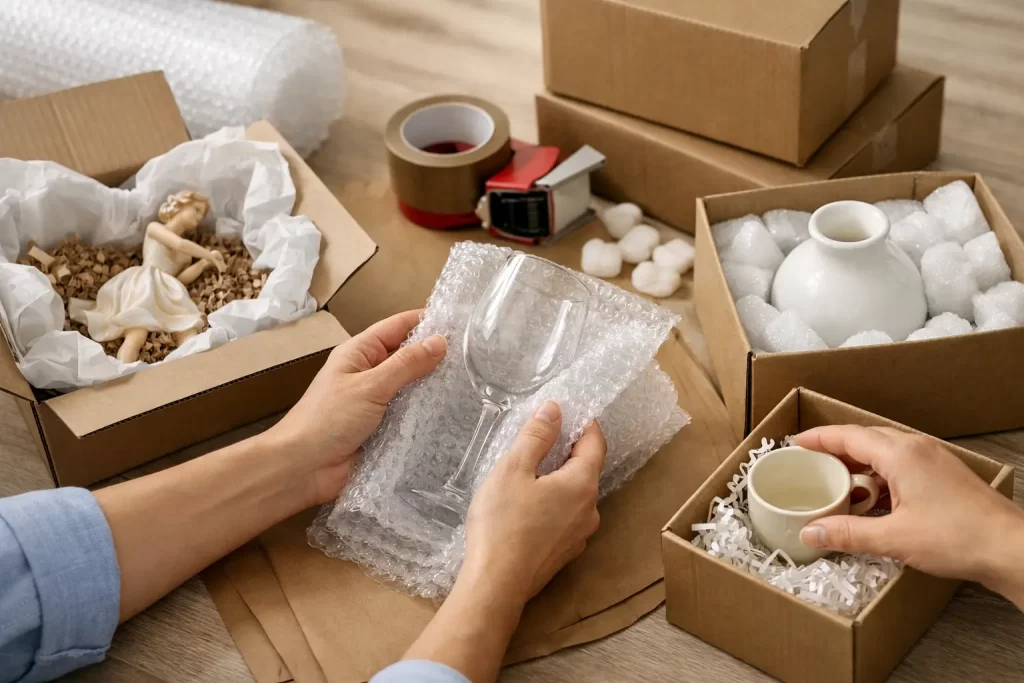
A box of glasses packed in five rushed minutes can turn into a carton of shards by the time it reaches the new place. If you are working out how to pack fragile items, the difference usually comes down to two things – the right materials and a method that does not leave empty space for things to shift.
Fragile packing is not just about adding more bubble wrap and hoping for the best. It is about choosing the right box, wrapping each item properly, cushioning the base and sides, and keeping weight balanced so cartons can be lifted safely. Whether you are moving a one-bedroom unit, a family home or an office, a careful packing approach saves money, avoids damage and makes unpacking much less stressful.
How to pack fragile items without costly mistakes
The most common packing mistake is treating all breakables the same. Wine glasses, dinner plates, mirrors, lamps and computer monitors do not need the same handling. Some items are vulnerable at the rim, some at the corners, and some from pressure on the surface. Good packing protects the weakest point, not just the item overall.
The second mistake is using the wrong carton. Oversized boxes seem efficient, but they create more movement inside and become too heavy once filled with glass, ceramics or electronics. Smaller, double-walled cartons are usually the safer option for fragile goods because they hold their shape better and are easier to carry.
You also want to avoid mixing fragile items with heavy, solid objects. A vase packed next to books, or a monitor packed with desk accessories, is more likely to be crushed even if both are wrapped. Fragile cartons should be packed with similar weight and similar material wherever possible.
Start with the right packing materials
If you are serious about protecting breakables, materials matter. Thin supermarket boxes, worn cartons and old newspaper can work for low-risk items, but they are not the best choice for a move where boxes are being stacked, loaded, transported and unloaded.
Use strong moving cartons, packing paper, bubble wrap, quality tape and clear labels. Butcher’s paper or clean packing paper is better than newspaper for plates, bowls and glassware because it avoids ink transfer. Bubble wrap is useful for outer protection, but it should not be the only layer on delicate surfaces. For very fragile items, adding cardboard dividers, foam corners or specialty cartons can make a real difference.
It also helps to have cushioning material ready before you start. Crumpled paper, foam peanuts or soft linen can fill gaps, but the filler is there to stop movement, not replace proper wrapping. If an item is loose in the box, it is still at risk no matter how much soft material surrounds it.
Build the box before you pack the item
A fragile carton should be reinforced before anything goes inside. Tape the bottom seams properly, then add a cushioning layer at the base. This gives the contents some protection from impact when the carton is set down.
Do not overdo the weight. A compact, well-padded box is easier to move and much safer than a large carton filled to the top with breakables. If a box is difficult to lift, it is already packed too heavy.
Wrapping fragile items the right way
Each item should be wrapped separately. This is the step people skip when they are short on time, and it is usually the reason things knock together in transit.
For glasses and stemware, stuff a little packing paper inside first to support the shape, then wrap the whole piece and add bubble wrap around the outside. Keep stems especially protected and stand glasses upright in the box unless the carton is specifically designed for another position.
For plates, wrap each one in paper, then stack them vertically like records rather than flat on top of each other. This reduces pressure and lowers the chance of cracking. Bowls can be nested with paper between each piece, but avoid forcing mismatched shapes together.
For vases, figurines and ornaments, wrap protruding parts first, then the full item. If the shape is uneven, use extra padding around handles, necks or decorative edges. These points usually break first.
Electronics need a slightly different approach. If you still have the original packaging, that is often the best option because it was built for the item. If not, wrap screens and surfaces with soft, non-abrasive material first, then add outer cushioning. Cords, stands and accessories should be removed, bagged and packed separately so they do not scratch the main unit.
Mirrors, artwork and framed pieces
Flat fragile items need corner protection and a rigid outer layer. Wrap the surface, protect the corners, then use cardboard sheets or picture cartons to prevent flexing. Tape should never go directly on glass or artwork.
These items should be carried upright, not laid flat under heavier loads. Even a well-wrapped frame can crack if weight is placed across the centre.
Packing the box so nothing shifts
Once items are wrapped, the next step is placement. Start with a padded base, then pack the heaviest fragile items at the bottom and lighter ones on top. Keep everything snug, but do not force pieces into place.
Every gap should be filled. Empty space is what allows items to bounce, tilt and collide during transport. If you gently shake the carton and feel movement, reopen it and add more cushioning.
Layering helps. Add padding between rows, around edges and across the top before sealing the carton. The aim is for the contents to stay still even if the box is carried up stairs, loaded into a truck or stacked with other moving cartons.
Label clearly, but do not rely on labels alone
Mark cartons as FRAGILE and note which side should stay upright. You can also write a quick description like kitchen glassware, monitor or framed art to make unloading easier.
That said, labels are only part of the protection. A poorly packed fragile box is still a poorly packed fragile box, even if every side is marked in thick black text. The packing has to do the real work.
Room-by-room advice for common breakables
In the kitchen, focus on glassware, ceramics and small appliances first. Wrap mugs individually, protect plate edges, and remove loose parts from blenders, coffee machines and similar appliances. Knives should be packed separately and secured so they cannot cut through wrapping.
In the living room, the main risks are lamps, décor, televisions and artwork. Remove bulbs, shades and detachable components before packing. A lamp base may be sturdy, but a shade can crush quickly if it is packed under pressure.
In bedrooms, mirrors, jewellery boxes, perfumes and decorative items often need more care than expected. Perfume bottles and cosmetics should be sealed, bagged and cushioned upright to avoid leaks.
For offices, pack monitors, printers and smaller tech items in dedicated cartons if possible. Office relocations often move fast, so clear labels and separated accessories save time at the other end and reduce the chance of cables, chargers and devices being mixed up.
When professional packing makes more sense
Some moves are straightforward enough to handle yourself. Others are not. If you are moving fine china, antiques, expensive electronics, artwork, or a full home under time pressure, professional packing can be the safer option.
The advantage is not just speed. Trained packers know how to protect awkward shapes, distribute weight properly and prepare cartons for real transport conditions, not just storage in a spare room. That matters when belongings are going in and out of lifts, across driveways, into trucks and through long-distance transit.
For many households and businesses, the best approach is mixed. Pack clothes, linen and everyday items yourself, then leave the high-risk pieces to an experienced team. It keeps costs practical while still protecting the items you would least like to replace.
If you want a move that feels more controlled from the start, having the right materials and support in place can make a big difference. Fast Movers works with customers who want that balance of speed, care and dependable handling, especially when fragile items need extra attention.
The safest fragile box is the one that has been packed slowly enough to prevent movement, but efficiently enough to keep the move on track. A little more care before loading usually means a lot less stress when you open the box at the other end.