

Apartment Movers With Lift Access Explained
April 18, 2026
Office Move Checklist Australia
April 20, 2026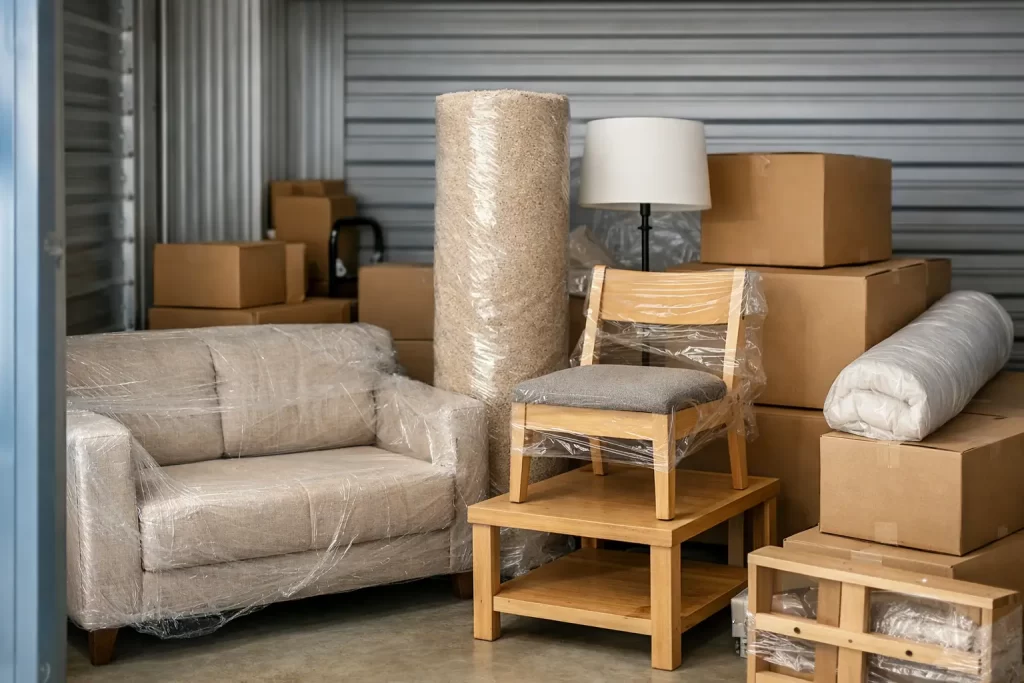
Moving day rarely runs exactly to plan. Settlement dates shift, lease start dates get pushed, office fit-outs run over, and suddenly furniture storage during move stops being a nice backup plan and becomes the thing keeping the whole relocation on track.
The good news is that storage can take a lot of pressure out of a move when it is handled properly. The catch is that not all storage setups are equal, and the wrong choice can leave you paying for space you do not need, struggling to access key items, or risking damage to valuable furniture. If you want your move to stay organised, the storage side needs just as much planning as the truck, the packing, and the timing.
When furniture storage during move makes sense
Storage is not only for long gaps between properties. In practice, it helps in several common moving situations. You might be downsizing and need time to decide what fits in the new place. You might be waiting on renovations before bringing everything in. You might be moving interstate, managing a deceased estate, or relocating an office in stages so business can keep operating.
For households, temporary storage creates breathing room. Instead of forcing every piece of furniture into a new home on day one, you can move in what you need first and deal with the rest once you have measured rooms, assembled essentials, and worked out your layout. That is often a smarter option than crowding the garage, spare room, or hallway with items you are not ready to place.
For businesses, the value is often even clearer. Office relocations rarely happen in one clean step. There may be a delay with workstations, building access, cabling, approvals, or new furniture deliveries. Storage gives you flexibility without leaving desks, shelving, or archived items exposed on-site or scattered across multiple locations.
The biggest mistake people make with moving storage
Most storage problems start before anything is loaded. People assume storage is just extra space, when really it is part of the broader moving process. If furniture is packed poorly, stacked badly, or stored in the wrong conditions, the issue is not the room itself. It is the handling.
Wood can mark or warp if it is left uncovered or exposed to damp conditions. Upholstered pieces can hold odours or collect dust if they are not wrapped properly. Glass, mirrors, and table tops can crack if they are leaned incorrectly or wedged under pressure. Even solid furniture can suffer from avoidable knocks when it is moved in and out more than once.
That is why it helps to think in terms of protection, not just placement. A secure facility matters, but so do the packing materials, the loading method, the inventory, and the people handling your items.
How to choose the right furniture storage during move
The best storage option depends on how long you need it, what you are storing, and how often you may need access. Short-term storage for a one or two-week gap is different from storing household furniture for several months during a renovation or extended relocation.
Security should be the first checkpoint. You want a facility that is monitored, professionally managed, and designed for stored goods rather than improvised space. Access also matters. Some customers need regular access to documents, seasonal items, or spare office equipment. Others are happy for their furniture to remain untouched until delivery day. There is no single right answer here, but you should be clear about your own needs before booking.
The next question is protection. Furniture should be stored clean, dry, and with enough room to avoid crushing or instability. Cheap storage can look fine on paper, but if items are packed too tightly, moved around repeatedly, or exposed to poor conditions, the saving disappears quickly.
There is also the issue of coordination. Using one provider to manage packing, removals, and storage is often more efficient than splitting the job between different businesses. Fewer handovers usually mean less handling, less chance of delays, and less admin for you.
What should be done before furniture goes into storage
A bit of preparation can make a major difference to how your furniture comes out at the other end. Start with a proper clean. Dust, crumbs, moisture, and surface grime tend to get worse over time in storage, not better. Timber furniture should be dry before wrapping, and fridges or appliances need to be emptied and aired to avoid mildew and odours.
Disassembly is often worth doing for larger pieces. Bed frames, dining tables, modular desks, and some shelving units are safer and easier to store when broken down. It saves space as well, which can reduce storage costs. The important part is keeping fittings, screws, and small components labelled and packed together so reassembly is straightforward.
Protective wrapping is where quality really counts. Blankets, shrink wrap, padded covers, cartons, and corner protectors each have a purpose. The right combination depends on the item. Leather lounges, antique timber pieces, and office boardroom tables should not all be treated the same way. If you are unsure, professional packing is usually worth it for high-value or awkward furniture.
An inventory is another simple step that gets overlooked. Knowing exactly what has gone into storage helps with insurance, retrieval, and delivery planning. It also saves you from hunting for essentials later.
How long should you store furniture for?
It depends on what is causing the gap in the first place. If your new property is available in a few days, short-term storage may simply bridge the timing issue. If you are renovating, waiting on settlement, or relocating a business in stages, you may need a more flexible arrangement.
The practical point is to avoid locking yourself into the wrong timeframe too early. Some customers underestimate how long projects take and end up scrambling to extend. Others book long periods they never use. A provider with flexible terms is usually the safer option because moving timelines change all the time.
Cost matters, but so does value
Everyone wants a fair price, and that is reasonable. But storage should be judged on total value, not the lowest number alone. A cheaper setup can become expensive if it means extra transport, difficult access, poor protection, or damage to furniture that costs far more to repair or replace.
Ask what is actually included. Does the service cover collection, storage, and redelivery? Are protective materials part of the quote? Is there help with packing and inventory? Are there clear terms around timing and access? Transparent pricing matters because moving costs can climb quickly when small extras are added late.
For office moves, value is often tied to downtime. If furniture storage helps stage the relocation properly and keeps the business running with less disruption, that is usually money well spent.
Why professional handling changes the outcome
Furniture is often one of the highest-risk parts of a move because it is bulky, heavy, and prone to damage at edges, legs, corners, and surfaces. Storage does not remove that risk on its own. Good handling does.
Trained movers know how to lift, load, stack, and protect furniture so it remains stable in transit and secure in storage. They also understand the order of loading, which items can be stacked, and which should never carry weight. That experience matters when you are dealing with large lounges, fragile dining settings, office fit-outs, or family pieces that cannot be easily replaced.
This is where a full-service removalist can make life easier. Instead of arranging transport with one company, storage with another, and packing on your own, you can keep the process under one plan. Fast Movers works with customers who want that kind of end-to-end support because it cuts down confusion and helps keep the move fast, safe, and manageable.
A few smart questions to ask before booking
Before confirming storage, ask how your furniture will be protected, how access works, what notice is needed for delivery, and whether insurance options are available. If the answers are vague, that is a warning sign.
You should also ask what happens if your move date changes. Flexibility is not a bonus in relocation planning. It is often essential.
The right storage setup should give you less to worry about, not more. If your provider can explain the process clearly, protect your furniture properly, and adapt when dates shift, you are in a much stronger position.
A move does not always need to happen all at once. Sometimes the smartest decision is to create a safe pause between where your furniture has been and where it is going next. When that pause is planned well, the whole move feels more controlled, and a lot less stressful.