

How to Choose a Removalist Without Regret
April 17, 2026
Furniture Storage During Move: What to Know
April 19, 2026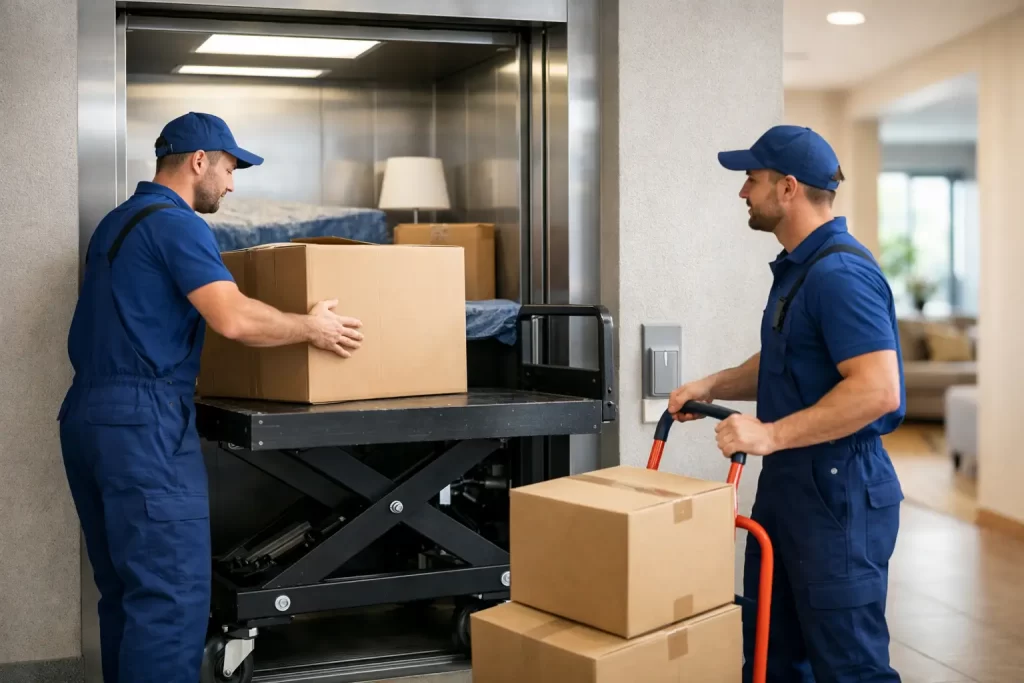
Moving out of an apartment can go off track before the truck even arrives. The usual problem is not the boxes, the sofa or the weather. It is building access. When you need apartment movers with lift access, the lift booking, loading zone, strata rules and timing windows can make the difference between a smooth move and a long, expensive day.
For apartment moves, access is part of the job. A good moving plan does not start at the front door. It starts with the building manager, the lift dimensions, the parking conditions and whether large items can travel safely from your unit to the truck without delays or damage. That is why apartment moving needs a more organised approach than a standard house move.
Why apartment movers with lift access matter
Apartment buildings add layers of logistics that simply do not exist in a freestanding home. There may be only one service lift, limited booking times, strict move-in and move-out procedures, and shared spaces that must be protected. If those details are missed, movers can be left waiting in the lobby while the clock keeps running.
Lift access affects speed, labour and risk. A booked lift gives the crew a direct, controlled path for furniture, whitegoods and packed cartons. Without that access, the move may slow down significantly, especially in buildings with narrow hallways, busy resident traffic or limited trolley space. Even when there is a lift, size matters. A standard passenger lift may not fit a fridge, mattress base or office desk, so the team needs to know that early.
There is also a protection issue. Apartment buildings often require lift blankets, floor coverings or corner guards in common areas. This is not just a box-ticking exercise. It reduces the chance of damage claims, disputes with building management and delays on moving day.
What lift access changes on moving day
When a lift is reserved properly, the crew can work in a steady rhythm. Furniture comes out in sequence, cartons are loaded efficiently and the truck can be packed without unnecessary stops. That usually means a shorter move and less disruption for you.
Without confirmed lift access, the job becomes more unpredictable. Movers may need to wait for other residents, make repeated trips in a smaller lift or carry items over longer distances from the loading area. In some buildings, access restrictions also apply to weekends, public holidays or certain hours of the day. If your booking window is two hours, every minute counts.
This is where experienced apartment movers stand out. They will ask the right questions before the move, not after the truck is parked. That includes whether the lift must be booked through strata, whether keys or fobs are required, whether there is a loading dock, and whether the building has rules for insurance certificates or moving bonds.
The access details that should be checked early
The best time to sort out access is as soon as your move date is confirmed. Leaving it until the week of the move creates pressure and limits your options if the building has narrow booking windows.
Start with the building management or strata team. Ask whether a lift booking is required and how long the booking lasts. Confirm the lift size, loading dock arrangements and any protection requirements for walls or floors. If there are fees or deposits, get those sorted early so nothing holds up the booking.
Parking is the next issue. In many Sydney apartment areas, the truck cannot just pull up anywhere. Clear truck access close to the building saves time and reduces the distance furniture needs to be moved. If there is no loading zone, your movers need to know that in advance so they can plan around local conditions.
It also helps to tell your movers about difficult items. Fridges, oversized lounges, glass tables, gym gear and large bed frames all need a bit more planning. Some pieces may need partial disassembly to fit safely in the lift. Others may be better moved at a specific point in the load order.
How pricing can be affected
Customers often ask why apartment moves can cost more than they expected, especially when the distance between addresses is short. The answer is usually access, not kilometres.
If the crew can move efficiently through a booked service lift and park close to the building, labour time stays under control. If they are dealing with a distant parking spot, slow lift turnaround, building paperwork or multiple access restrictions, the job naturally takes longer. That does not always mean the move will be expensive, but it does mean quoting needs to reflect the real conditions.
Transparent pricing matters here. You want to know whether your quote is based on straightforward lift access or on limited access with likely delays. A professional removalist will not guess. They will ask enough questions to price the move properly and avoid surprises later.
Why packing matters more in apartment buildings
Packing quality becomes even more important when items are travelling through lifts, corridors and shared entry points. Boxes need to be stable, clearly labelled and not overfilled. Loose or poorly packed cartons slow the team down and increase the risk of breakage.
Furniture should also be protected properly. Wrapped lounges, padded bedheads and secured appliances handle tight turns and lift walls much better than exposed items. For fragile pieces, the difference is obvious. A rushed apartment move with poor packing leaves less room for error.
This is one reason many customers choose a full-service move rather than transport alone. When one team handles packing, materials, loading and delivery, there is more control over timing and item protection from start to finish.
Apartment movers with lift access for office relocations
Lift access is not only a residential issue. Small office relocations in apartment-style commercial buildings face many of the same challenges. There may be shared lifts, loading bay bookings, access cards and restricted moving hours designed to avoid disrupting tenants.
For businesses, the real cost of poor planning is downtime. If desks, monitors, documents and chairs are stuck waiting for lift access, staff cannot get set up on time. That is why office moves need a tight schedule, clear labelling and staged loading so the most important items are delivered in the right order.
In these situations, a mover should be thinking beyond transport. They should be looking at how to reduce business interruption, protect equipment and keep the relocation on schedule.
What to look for in a removalist
Not every moving company is well equipped for apartment work. House moves and apartment moves share some basics, but building access changes how the work is planned and delivered.
Look for a team that asks detailed questions upfront, explains how access affects labour and timing, and offers practical support with packing, protection and scheduling. Insurance and damage protection also matter. In apartment buildings, there are more surfaces, corners and shared areas involved, so accountability is important.
It is also worth choosing a removalist that can handle the whole move if needed. If your settlement date changes, your new place is not ready, or access windows do not line up, having packing, storage and transport under one provider makes things much easier. That flexibility can remove a lot of stress when plans shift.
For customers who want a dependable end-to-end service, Fast Movers focuses on exactly that – careful planning, clear pricing and trained crews who know how to manage access-sensitive moves without adding chaos to the day.
How to prepare before the crew arrives
Good preparation helps the movers work faster and helps you stay in control. Confirm your lift booking in writing, keep contact details for building management handy, and make sure the crew has the correct unit number, entry instructions and parking information. If your building requires protection pads or booking forms, check that they are ready before moving day.
Inside the apartment, clear walkways and set aside essentials you need to carry yourself, such as keys, documents, chargers and medications. If furniture needs to be dismantled, decide whether you want that handled beforehand or by the moving team. The less uncertainty there is on arrival, the smoother the move tends to run.
If you are moving into a new apartment, repeat the same checks at the destination. Customers sometimes focus only on leaving the old building and forget that the new building may have stricter lift and loading rules.
The real benefit is fewer surprises
A well-run apartment move is rarely about brute force. It is about timing, access and preparation. When lift bookings are confirmed, building rules are understood and the crew knows what they are walking into, the move feels faster, safer and far less stressful.
If you are planning an apartment move, do not treat lift access as a minor detail. It shapes the entire job, from cost and timing through to item protection and building compliance. The more clearly that is handled upfront, the easier it is to get from one set of keys to the next with less disruption and a lot more confidence.