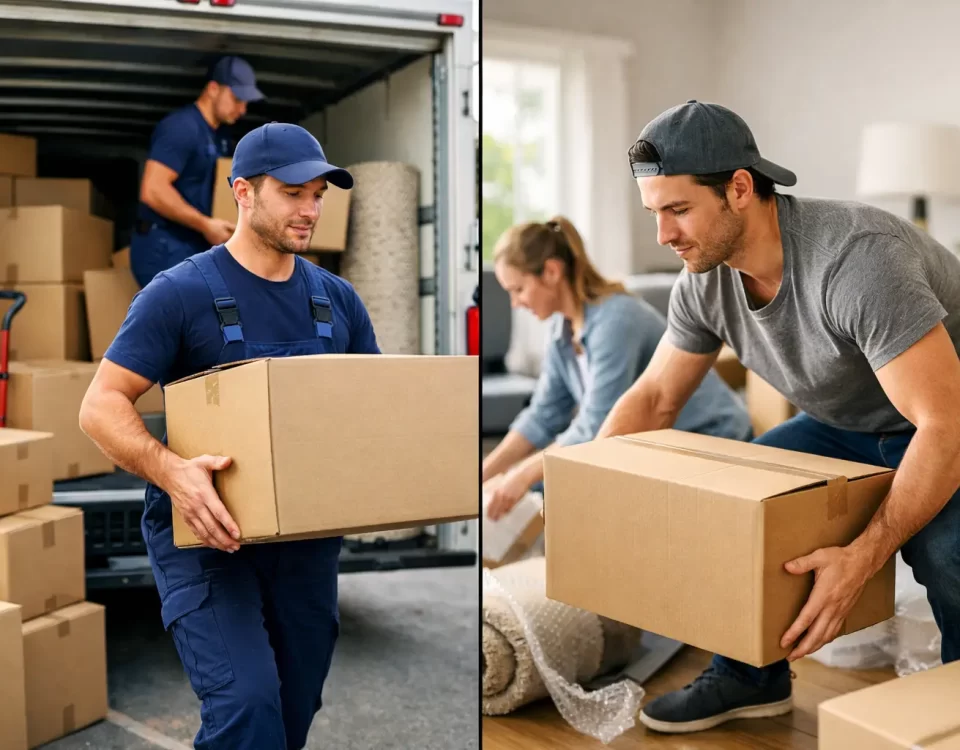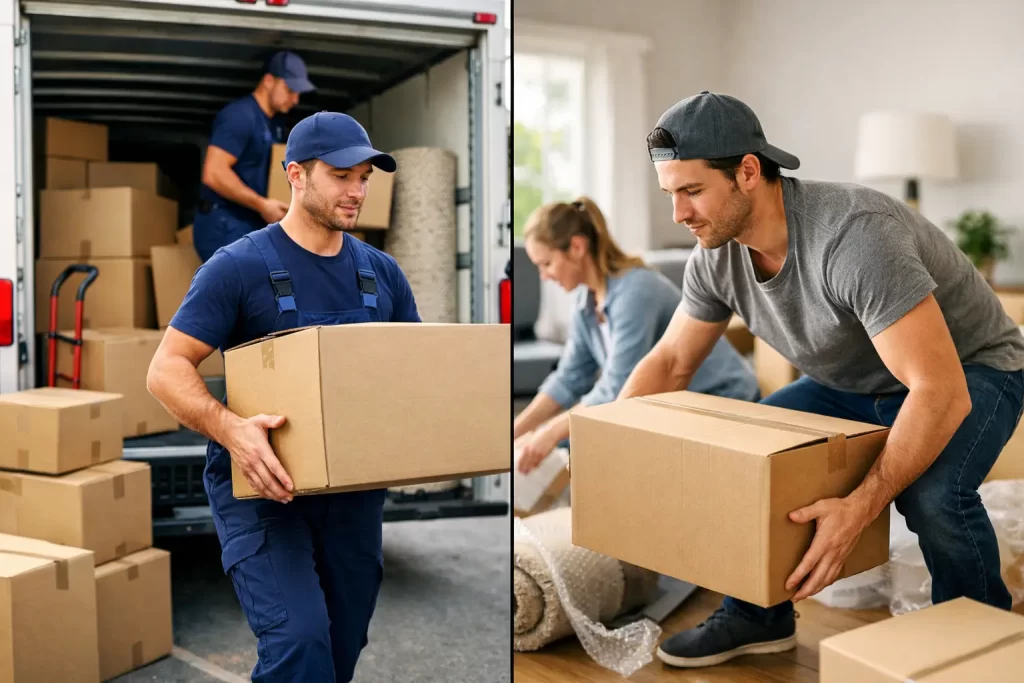

Office Move Checklist Australia
April 20, 2026
When Should You Book Movers?
April 23, 2026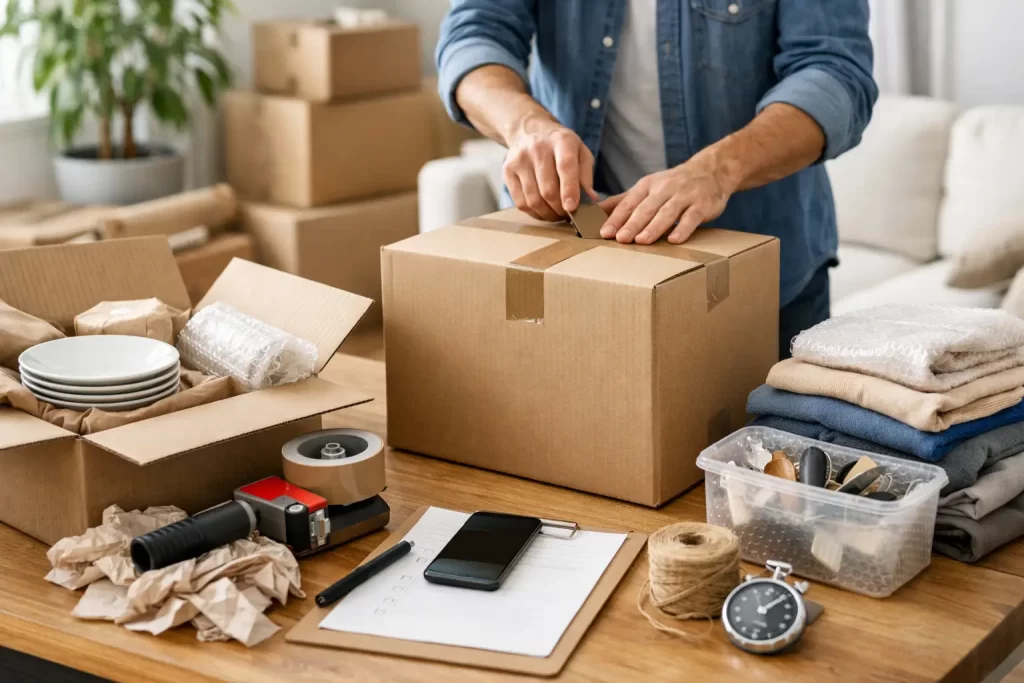
The trouble usually starts with the last 10 per cent of the house. The easy items are boxed first, then you are left with the kettle, the kids’ school bags, the half-full pantry, the charger you still need tonight, and a drawer full of things you forgot you owned. Good packing tips for moving house are not really about fitting items into boxes. They are about making moving day faster, safer and far less stressful.
A well-packed move protects your belongings, cuts down loading time and makes unpacking more manageable at the other end. It also reduces the risk of damage, misplaced essentials and those expensive last-minute supply runs. If you want a move that feels in control from the start, packing needs a plan.
Start packing earlier than you think
Most people underestimate how long packing takes. A small unit can still take days once you factor in sorting, wrapping, labelling and deciding what is worth taking. A larger family home can quickly turn into a week-by-week project, especially if you are packing around work, school and everyday life.
A practical timeline helps. Start with the rooms and items you use least, such as spare linen, books, seasonal clothing and decorative pieces. Leave everyday essentials until the final stage. This approach keeps the home functional while steadily reducing the volume left to pack.
There is a trade-off here. Packing too early can leave you living out of boxes, while packing too late creates rushed decisions and poor protection. For most households, the sweet spot is starting two to three weeks before moving day, then increasing the pace in the final week.
The best packing tips for moving house start with decluttering
There is no value in paying to move items you no longer need, use or want. Before the first box is taped shut, go room by room and be honest about what deserves space in the truck and in your new place.
Clothes that do not fit, duplicate kitchenware, broken toys, expired pantry goods and old paperwork all add weight and clutter. The less you move, the less you need to pack, carry, unpack and store. That saves time at every stage.
This is particularly useful for office moves or family homes where storage areas tend to collect forgotten items. If you are short on time, do not aim for perfection. Focus on obvious wins. Even one good decluttering pass can make the move more efficient.
Use the right boxes and materials
Not all boxes perform the same way. Grocery boxes, reused cartons and overfilled plastic bags might seem convenient, but they often slow the move down and increase the chance of damage. Strong moving boxes in consistent sizes stack better, carry more safely and are easier to label.
Heavy items such as books, tools and files belong in small boxes. Lighter, bulkier items such as linen, cushions and clothing can go in larger ones. If you put heavy items into big boxes, they become difficult to lift and more likely to split.
Wrapping matters too. Fragile items need proper cushioning, not just a bit of newspaper tucked around the sides. Plates should be wrapped individually and packed vertically. Glassware should be separated and cushioned so items cannot knock together in transit. Electronics need secure padding and, where possible, their original packaging.
If you are moving higher-value items or want to reduce risk, professional packing can be worth it. It costs more upfront, but it can save time and provide extra confidence that delicate or awkward items are protected properly.
Pack by room, not by category
One of the simplest packing tips for moving house is also one of the most ignored. Pack room by room. Do not mix bathroom items with kitchen items just because there is spare space in a box. Do not toss random loose items together to deal with later.
Room-based packing keeps boxes logical and unpacking far more efficient. When boxes arrive at the new address, they can go straight to the correct room instead of piling up in one central area waiting to be sorted.
This matters even more in larger homes or office relocations where volume builds quickly. A clear room system also helps removalists place items accurately, which saves time during unloading and reduces the amount of shifting you need to do afterwards.
Label clearly and label for action
A label that says kitchen is helpful. A label that says kitchen – plates and mugs – fragile – open first is much better.
Clear labels should include the destination room, a short note on contents and any handling instructions. If a box is heavy, say so. If it contains breakables, mark it clearly. If it contains items you will need on the first night, make that obvious.
Some households also use a colour system for each room. That can work well if you want faster sorting on the day. The key is consistency. Whatever system you choose, use it across every box.
Do not overpack boxes
A full box feels efficient until the bottom gives way or someone strains a back lifting it. Boxes should be full enough that items do not shift, but not so heavy that they are unsafe to carry.
This is especially important with books, kitchen appliances and paperwork. Spread the weight across multiple small cartons and use soft items such as towels or tea towels to fill gaps where needed. A box that is easier to handle is faster to move and less likely to be damaged in the process.
Keep an essentials box with you
The first night in a new place is rarely polished. You may still be waiting on beds to be assembled, appliances to be connected or the right box to turn up in the right room. An essentials box keeps the basics within reach.
This should include chargers, medications, toiletries, toilet paper, a kettle, basic snacks, pet supplies, important documents, a change of clothes and any items your children will need straight away. For office moves, include key documents, devices, power boards and the items needed to get operations running again quickly.
Keep this box separate from the main load if possible, ideally in your own car. It is one small step that makes a big difference when the day runs long.
Take extra care with valuables and documents
Passports, certificates, jewellery, laptops, backup drives and sensitive paperwork should not disappear into general moving boxes. These items are better kept with you, packed securely and accounted for at every stage.
The same goes for sentimental items that are difficult or impossible to replace. Insurance is valuable, but prevention is better. If an item matters beyond its price tag, treat it differently from standard household goods.
Use soft items as protective packing
You do not always need extra materials for every item. Towels, doonas, jumpers and linen can all help cushion less fragile belongings and fill empty space in boxes. This can cut waste and help you pack more efficiently.
That said, it depends on the item. Soft goods are useful for basic protection, but they are not a substitute for proper wrapping with very delicate pieces. Use them where they make sense, not as a blanket fix.
Leave difficult items to professionals when needed
Some moves involve more than standard cartons and furniture. Pianos, large artwork, marble tops, commercial equipment, awkward stair access and tight apartment lifts all require a different level of planning.
Trying to manage these items yourself can create delays, damage and unnecessary risk. In those cases, bringing in trained movers and packers is often the more cost-effective decision. Fast Movers supports households and businesses that want one team handling packing, transport, storage and protection with less room for error.
Think about unpacking while you pack
The best packing is not just about getting out of the old place. It sets up the new one. If boxes are packed logically, labelled well and matched to the right rooms, unpacking becomes a series of manageable tasks instead of a weekend of chaos.
Put frequently used kitchen items together. Keep bed linen with the beds it belongs to. Pack children’s rooms so comfort items are easy to find. For offices, prioritise the equipment and files needed to resume work quickly. Packing with the other end in mind makes the whole move smoother.
A house move rarely feels small while you are in the middle of it. But with the right systems, it becomes a job you can actually get through without the usual scramble. Pack earlier, pack smarter, and when the load feels bigger than your time or energy, get the right support so moving day stays fast, safe and under control.